


1. Car Accident Lawfirm Washington D.C. | Initial Client Circumstances
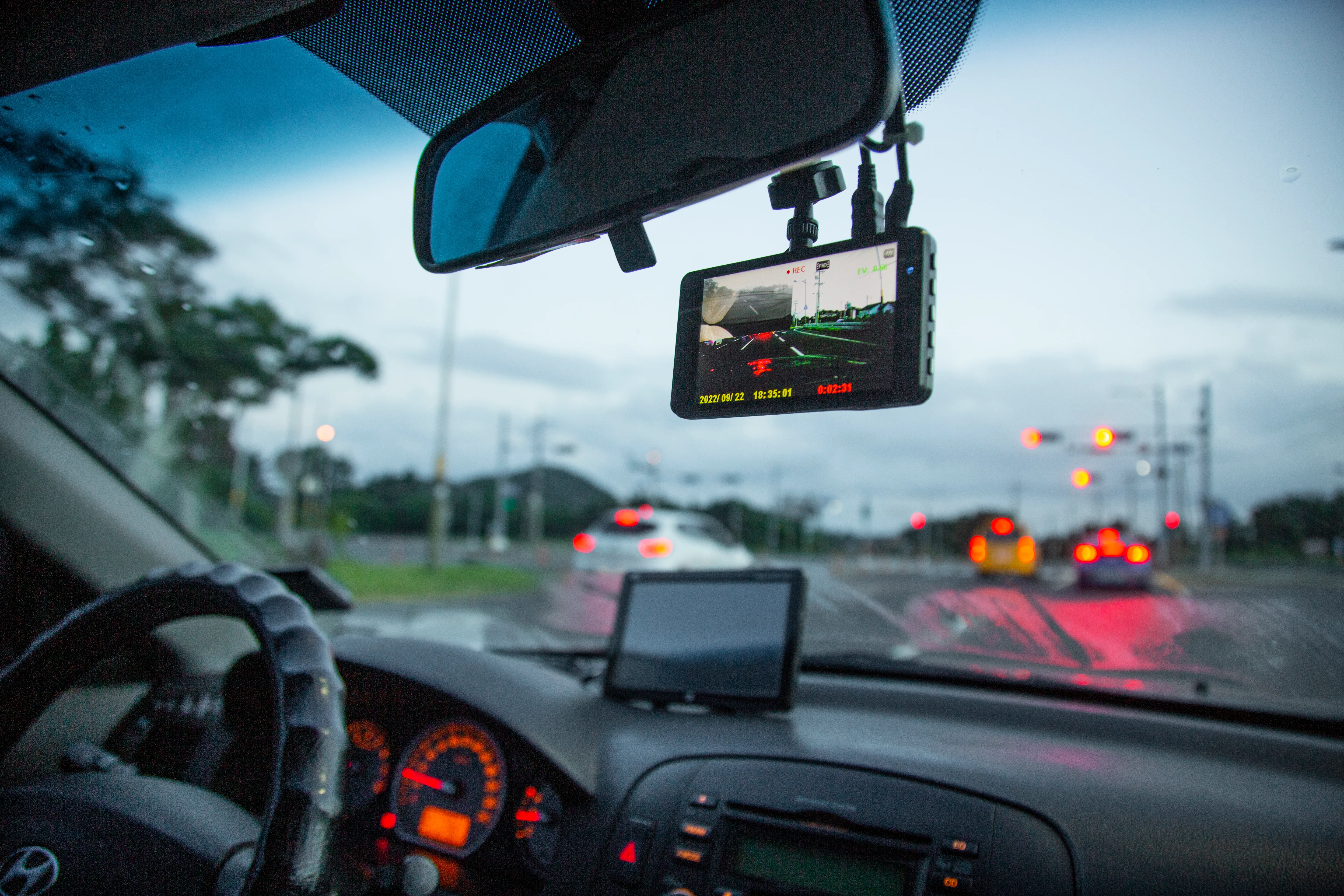
The client sought immediate legal assistance after receiving notice that another driver had reported an alleged hit and run resulting in minor bodily injury.
The client was unaware that any collision had occurred, and the lack of on vehicle video footage intensified the uncertainty.
Background Leading to the Allegation
The client received a call from law enforcement advising that a complaint had been filed, claiming the client fled the scene after striking a motorcyclist.
With no recollection of impact and a malfunctioning dash camera, the client faced significant anxiety.
Investigators noted that the reporting driver had followed the client briefly but did not establish clear communication regarding the collision at the time.
This context created the need for urgent legal intervention from a car accident lawfirm familiar with District traffic and criminal procedures.
2. Car Accident Lawfirm Washington D.C. | Applicable District Law and Legal Exposure
Under D.C. Code § 50-2201.05c, any driver involved in a collision must:
1. Immediately stop their vehicle,
2. Provide identifying information, and
3. Render reasonable assistance when injury is involved.
Failure to satisfy these obligations may lead to a Leaving After Colliding allegation, which prosecutors take seriously, especially when injury is reported.
Proper Post Accident Duties Under District Law
The law requires drivers to:
• Stop as close as safely possible to the point of impact,
• Exchange name, address, and contact information,
• Offer reasonable aid or call emergency services,
• Notify police without delay.
A misunderstanding about whether a collision occurred does not eliminate the statutory duties, but it can significantly affect whether prosecutors proceed with filing charges.
3. Car Accident Lawfirm Washington D.C. | Defense Strategy and Investigative Actions
To prevent the matter from advancing to formal charges, the car accident lawfirm organized a coordinated review of the evidence, interviewed witnesses, and developed a strategy demonstrating the absence of knowing flight or intentional avoidance.
Evidence Review and Reconstruction
Because the client’s dash camera malfunctioned, attorneys gathered supplemental video from nearby vehicles and local businesses.
Analysis revealed that although the complainant alleged an impact, the client's vehicle showed no damage consistent with a perceptible collision.
Video also showed the complainant following the client's vehicle but not signaling or otherwise alerting the client to the alleged contact.
This supported the argument that the client could not reasonably have recognized that a collision had occurred.
Lack of Motive to Flee
The defense highlighted that the client was traveling at lawful speed, displayed no erratic driving, and had no indicators of impairment.
The client had no criminal history and no rational incentive to avoid law enforcement.
This mitigated the allegation that the client intentionally left the scene despite awareness of injury.
Legal Argument Based on Statutory Limits
The lawfirm emphasized that liability under D.C. Code § 50-2201.05c depends on a driver’s awareness of involvement in a collision.
A driver cannot “leave after colliding” if they did not and could not reasonably perceive a collision.
Evidence submitted to investigators demonstrated this statutory limitation clearly.
4. Car Accident Lawfirm Washington D.C. | Final Outcome: No Papered Decision
After reviewing the defense submission, police investigators and prosecutors determined that the statutory elements for Leaving After Colliding were not satisfied.
Resolution and Client Impact
The case was officially classified as No Papered, meaning no charges were filed, and the matter was closed without prosecution.
The client avoided criminal exposure, potential license sanctions, and insurance complications.
This result affirmed the value of early and structured defense by a car accident lawfirm equipped to address D.C. specific traffic laws.

10 Dec, 2025
