


1. Drowsy Driving Washington D.C. Legal Context and Initial Case Assessment
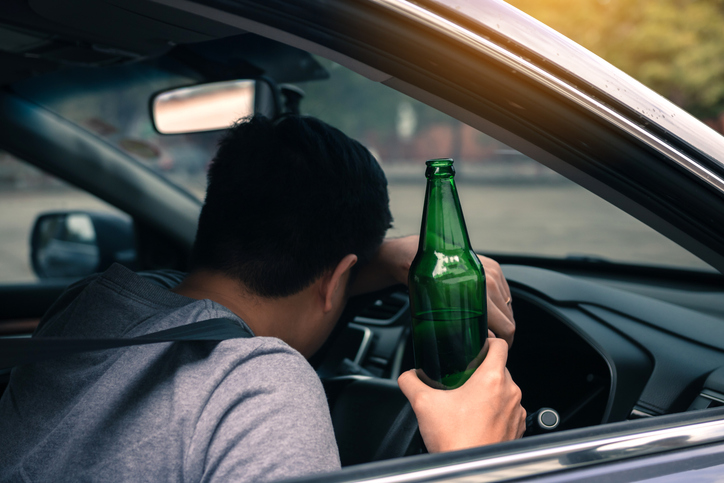
The client was arrested after falling asleep at the wheel and colliding with a stopped vehicle, followed by an alleged attempt to flee the scene.
D.C. law treats DUI causing bodily injury and hit-and-run as serious offenses with potential incarceration.
Understanding how drowsy driving interacted with intoxication was a key starting point.
Evaluating the Client’s Actions and the Role of Drowsy Driving
The defense examined whether the client's behavior stemmed from impaired awareness due to drowsy driving rather than intentional evasion.
Witness accounts, location of the client when found, and the absence of deliberate avoidance behavior supported the argument that the client was disoriented—not fleeing to escape responsibility.
The client’s exhaustion and blackout-like condition helped contextualize the events immediately following the collision.
Reviewing D.C. DUI and Injury-Related Statutes
Washington, D.C. imposes enhanced penalties for DUI when bodily injury results.
The defense prepared to challenge whether the injuries met statutory thresholds and whether evidence supported intent to evade legal obligations.
A thorough statutory review guided the framing of arguments about the client’s state of mind and the degree of harm.
2. Drowsy Driving Washington D.C. Evidence Examination and Mitigation Strategy
The defense team conducted a detailed analysis of physical evidence, police documentation, and medical records.
This stage was critical because prosecutorial focus centered on the combination of alcohol impairment, drowsy driving, and post-collision conduct.
Lack of Visible Injury and Immediate Perceptions at the Scene
The client stated that the other driver appeared uninjured at the scene.
Even the responding officer’s incident report included language indicating “no apparent bodily injury,” supporting the client’s understanding at the time.
This helped counter the allegation of intentional flight, as the client had no reason to believe emergency assistance was required.
Photographs and repair invoices demonstrated that the collision resulted in only minor bumper damage.
This assessment reduced the perceived severity of the incident and supported the argument that the accident environment did not convey a need for heightened awareness or emergency response.
Establishing the low-impact nature of the crash strengthened mitigation positions during plea discussions.
3. Drowsy Driving Washington D.C. Defendant Conduct and Remedial Measures

Demonstrating genuine remorse and proactive rehabilitation efforts was vital for achieving leniency.
The client submitted handwritten statements acknowledging wrongdoing, accepting responsibility, and expressing sincere remorse.
Participation in alcohol-education programs, voluntary counseling, and community-based assessments showed commitment to preventing recurrence.
Full Restitution and Good-Faith Engagement with the Victim
The client paid substantial restitution, covering medical expenses, vehicle repair costs, and related losses, well before final disposition.
Communication through counsel ensured that apologies and financial resolution were handled professionally.
Demonstrating early and meaningful efforts to make the victim whole proved persuasive in achieving a non custodial outcome.
4. Drowsy Driving Washington D.C. Litigation Outcomes and Defense Impact
After presenting a complete factual and legal narrative supported by evidence, the defense secured a significantly reduced sentencing outcome.
A suspended sentence was imposed in lieu of incarceration, resolving the client’s greatest concern.
The court accepted that the client’s failure to remain at the scene was unintentional and influenced by exhaustion and disorientation rather than criminal evasion.
While DUI with injury remains serious under D.C. law, the minimal harm, prompt restitution, and sincere remorse substantially mitigated the offense.
The suspended sentence allowed the client to maintain employment and family responsibilities while still completing court-ordered obligations.


03 Dec, 2025
