
1. Immigration Washington Dc | Overview of the Parent Based Immigrant Visa Strategy
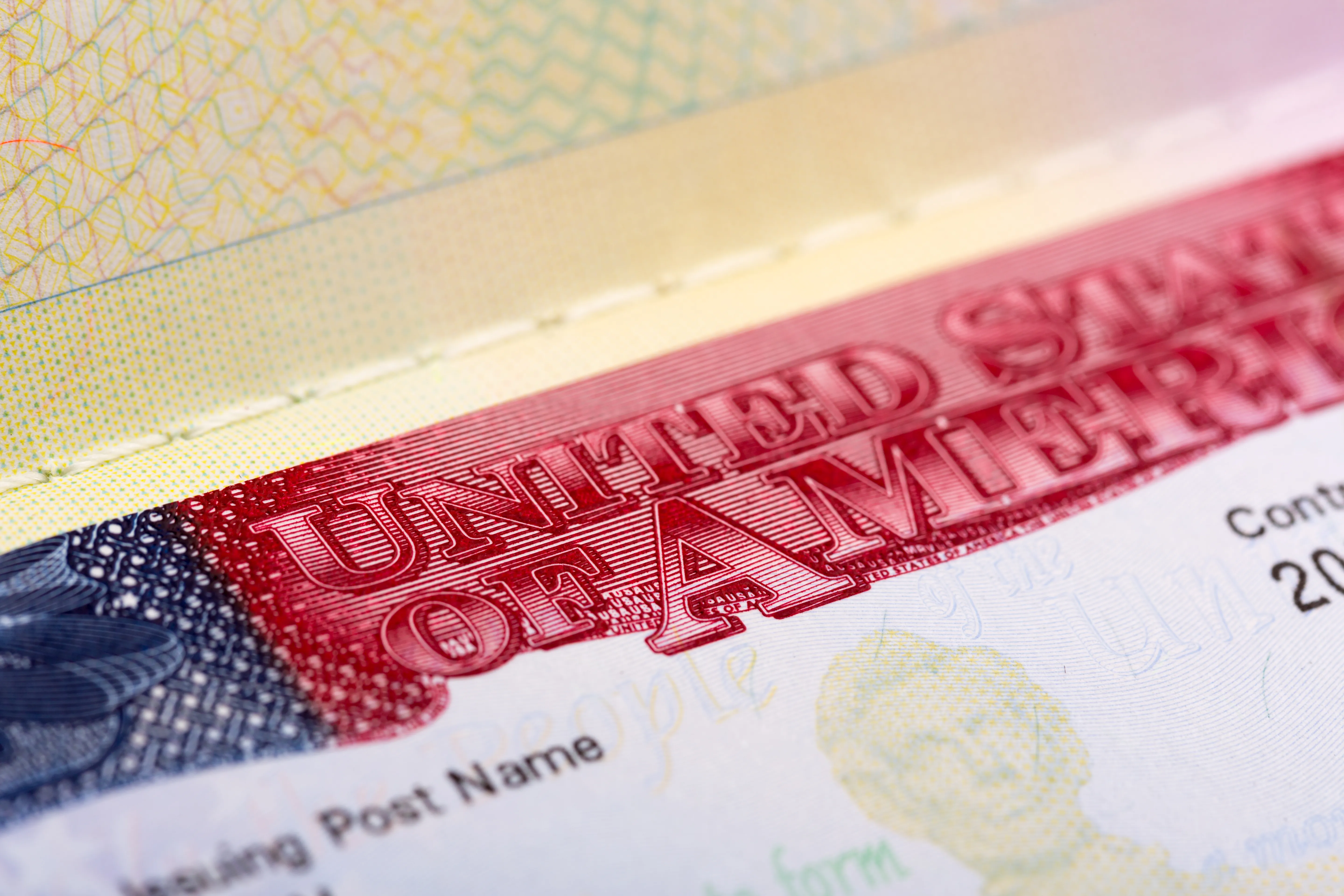
This matter arose from a family seeking a lawful immigration pathway for a parent through the IR5 immediate relative category, which allows U.S. Citizens to sponsor their parents for permanent residence.
Under Washington DC immigration practice, such cases are governed by federal statutes and administered through U.S. Citizenship and Immigration Services and the U.S. Department of State, requiring precise evidentiary compliance.
Parent Sponsorship under Immediate Relative Classification
The IR5 category applies exclusively to parents of U.S. Citizens who are at least twenty one years of age, and it is not subject to annual visa caps, making it one of the most direct immigration options available.
In this case, the sponsoring child had already completed the naturalization process and obtained U.S. Citizenship prior to initiating the petition.
The legal strategy focused on establishing an unbroken chain of parent child relationship evidence, as required under federal immigration standards applied consistently in Washington DC adjudications.
2. Immigration Washington Dc | Establishing Legal Parent Child Relationship
A central issue in this immigration case involved the accurate verification of the familial relationship between the petitioner and the beneficiary, which is a mandatory requirement for IR5 approval.
Federal immigration authorities applying standards commonly used in Washington DC based adjudications place significant emphasis on civil documentation consistency, particularly when names or personal details have changed over time.
Documentary Proof of Biological Relationship
To meet immigration evidentiary standards, the case required submission of official birth records demonstrating that the beneficiary was the biological mother of the U.S. Citizen petitioner.
These records were supplemented by government issued identification documents to ensure continuity of identity across jurisdictions.
The legal team ensured that all documents met translation, certification, and authenticity requirements recognized by federal immigration agencies.
Addressing Name Changes Due to Marriage
An additional complexity arose because the U.S. Citizen petitioner had legally changed her surname following marriage, a factor that can raise questions during immigration review if not properly documented.
To resolve this issue, certified marriage records and related civil status documents were submitted to clearly demonstrate the lawful name change.
By proactively addressing this issue, the immigration petition aligned with Washington DC adjudication expectations and avoided unnecessary procedural delays.
3. Immigration Washington Dc | Petition Filing and Federal Review Process

Once eligibility and documentation were confirmed, the immigration petition was filed under the immediate relative framework, initiating federal review by USCIS.
Washington DC immigration practice requires strict adherence to form instructions, filing protocols, and evidentiary sequencing, all of which were carefully observed in this matter.
Uscis Adjudication and Approval of the Immigrant Petition
The Form I-130 petition was reviewed by USCIS under federal immigration law governing family based immigration.
Because the submission clearly established citizenship, qualifying relationship, and lawful documentation, the petition was approved without a request for additional evidence.
This outcome reflects the importance of structured legal preparation in immigration cases involving parent sponsorship.
4. Immigration Washington Dc | Consular Processing and Immigrant Visa Issuance
Following USCIS approval, the case proceeded to consular processing through the National Visa Center and the designated U.S. Consulate.
Washington DC immigration oversight extends to ensuring that consular submissions comply with Department of State requirements, including civil documentation, financial sponsorship, and background review.
Final Visa Issuance and Lawful Permanent Residence Entry
After completing the required interviews and document submissions, the beneficiary was issued an IR5 immigrant visa and lawfully entered the United States as a permanent resident.
Because the IR5 category confers immediate relative status, the beneficiary was not subject to conditional residence and obtained full lawful permanent resident status upon entry.
This case demonstrates how thorough immigration planning and documentation can lead to efficient approval outcomes under Washington DC aligned federal immigration procedures.
24 Dec, 2025
