



1. Trade Secret Protection Act New York: Nature of the Complaint and Early Risks
Alleged Misappropriation Motivated by Civil Dispute
The complainant asserted that the client copied proprietary files stored on a company workstation and transferred them to an external device.
Our investigation showed that the complainant filed the accusation immediately after receiving an unfavorable development in the equity litigation.
This timing supported the argument that the criminal complaint aimed to influence the civil dispute rather than protect legitimate trade secrets.
We demonstrated that none of the acts described met the threshold of misappropriation contemplated under the Trade Secret Protection Act, particularly because the complainant failed to identify any confidential corporate information that originated from a company system.
Core Technology Originally Owned by the Client
A crucial issue was establishing whether the technology qualified as a company asset at all.
Incorporation documents and founder agreements showed that all intellectual property rights associated with the technology were owned fully by the client at the time the company was established.
This documentation confirmed that the client granted usage rights to the company but did not transfer ownership.
Because trade secret charges require proof that the information belongs to the alleged victim, the ownership evidence eliminated the foundation of the accusation.
2. Trade Secret Protection Act New York: Digital Evidence and Forensic Findings
No Evidence of Copying or File Extraction
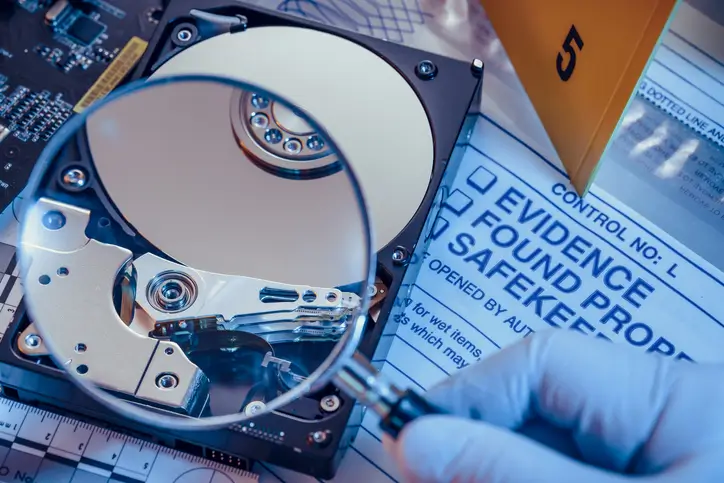
Through forensic review, investigators found no trace of external storage devices being connected to the company computer at the times alleged.
There were no system logs, shadow copies, USB traces, or deleted-file artifacts indicating that the client ever extracted data.
This absence of technical evidence directly contradicted the complainant’s statements, showing that the allegations lacked factual basis under any standard, including those used in Trade Secret Protection Act litigation.
Client’S Independent Storage of Personally Owned Technology
Interviews and device analyses confirmed that the client maintained the technology exclusively on a personal USB device long before joining the venture.
The files had never been uploaded to company hardware.
Because the material originated on the client’s personal equipment, the complainant’s claim that the client removed assets from company property was provably false.
This clarification was essential in reinforcing that the dispute belonged in civil equity proceedings, not criminal court.
3. Trade Secret Protection Act New York: Corporate Governance and Termination Issues
Improper Termination and Mischaracterized Corporate Claims
The complainant argued that the client acted against the company’s interests by “retaining trade secrets for personal use.”
However, because the technology belonged solely to the client, retaining it could not constitute breach of duty, misappropriation, or obstruction.
Our analysis showed that the termination was not based on misconduct but on the complainant’s desire to weaken the client’s position in the equity case.
No Basis for Additional Theories of Liability
The complainant attempted to frame the client’s conduct as potential business interference or breach of fiduciary duty.
However, these theories require use of company assets or authority in a harmful manner.
Since the intellectual property was not a company asset, these theories failed as a matter of law.
This clarification helped ensure investigators did not expand the case beyond the initial unfounded accusation.
4. Trade Secret Protection Act New York: Case Outcome and Police Determination
04 Dec, 2025
