


1. Trespass Charges Washington DC | Case background and initial legal exposure
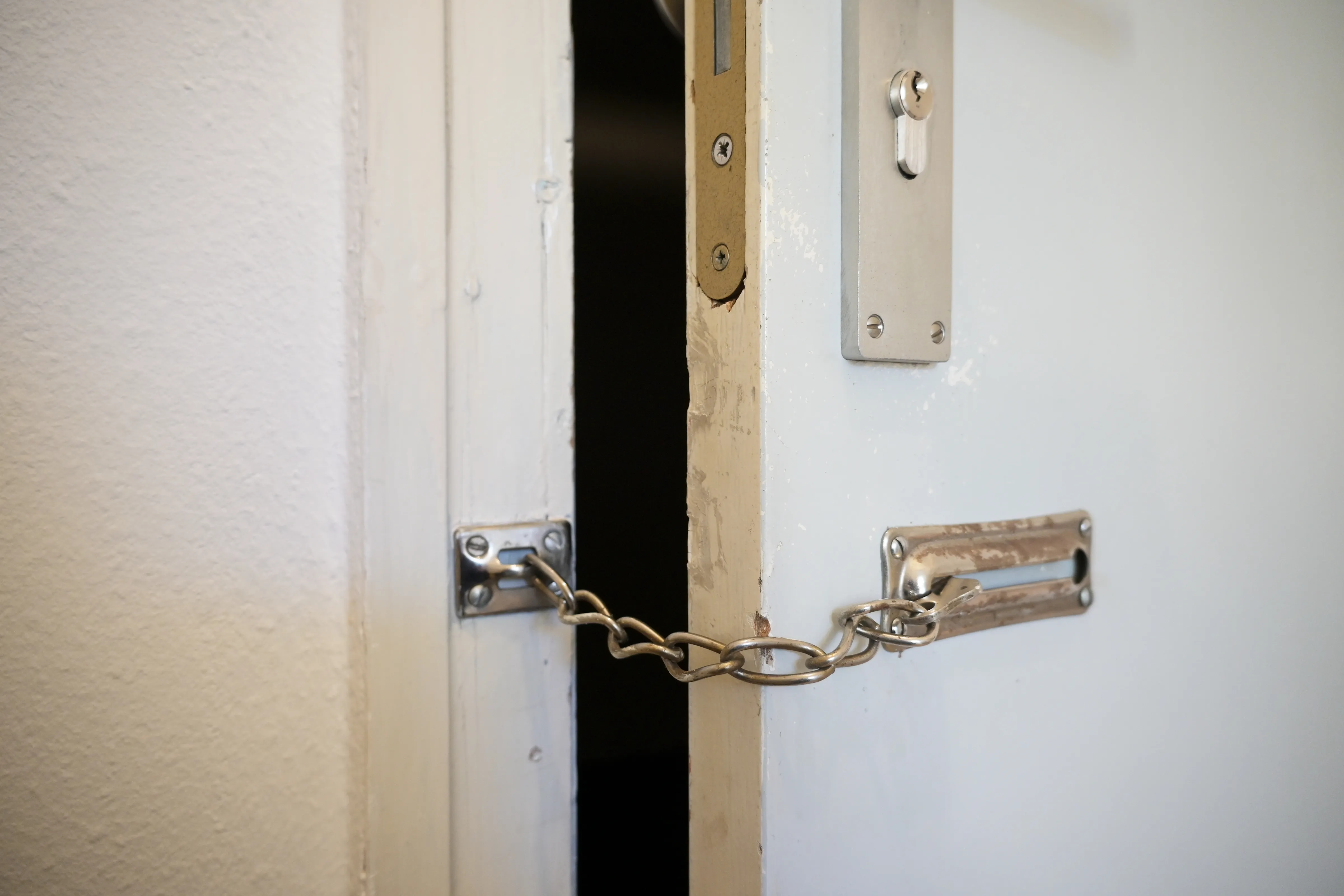
This section outlines the factual setting that led to the investigation and explains why the client faced potential trespass charges under Washington DC criminal law despite the absence of forced entry or unlawful occupation.
It highlights how early legal consultation can redirect investigative focus before prosecutorial screening occurs.
Initial encounter between the parties
The client in this matter had no prior relationship with the complainant and encountered her by chance in a public area of Washington DC, where a brief conversation led to a request for temporary financial assistance.
The complainant explained that she needed immediate funds to seek medical treatment and voluntarily disclosed the general location of her residence while making the request.
Acting out of perceived goodwill rather than any expectation of personal benefit, the client provided a small sum of money without formal documentation or repayment security.
At the time of the exchange, there was no indication of hostility, coercion, or any intent to later confront the complainant at her home.
Delay in repayment and resulting misunderstanding
After the agreed repayment period passed without communication, the client attempted to contact the complainant through the limited information previously exchanged but received no response.
Interpreting the silence as avoidance rather than fear, the client believed a direct conversation would be the most effective way to resolve the matter peacefully.
This misunderstanding would later become central to the assessment of intent, which is a critical element in determining whether trespass charges can be sustained under Washington DC standards.
2. Trespass Charges Washington DC | Reason for visiting the residence
This section explains why the client went to the complainant’s residence and how the surrounding circumstances affected the legal interpretation of the conduct.
It emphasizes the distinction between civil debt recovery efforts and criminal intrusion under DC law.
Purpose of the visit and absence of criminal intent
The client traveled to the complainant’s apartment building with the sole objective of requesting repayment or clarification, not to intimidate, threaten, or harass.
The visit occurred during normal daytime hours, and the client did not carry any tools, weapons, or objects suggesting preparation for unlawful entry.
In Washington DC, the mental state of the accused plays a decisive role in evaluating trespass charges, particularly where entry into the dwelling itself does not occur.
The defense later emphasized that the client’s purpose remained communicative and transactional rather than intrusive or coercive.
3. Trespass Charges Washington DC | Police involvement and investigation

This section details how the incident was reported to law enforcement and how the investigative narrative initially framed the client’s actions as potentially criminal.
It also explains why factual precision during the investigation phase is crucial in trespass cases.
Actions taken at the residence
Upon arriving at the apartment door and receiving no response, the client knocked several times and briefly pressed buttons on the intercom system in an attempt to determine whether anyone was home.
Importantly, the client never crossed the threshold of the residence, never forced entry, and never bypassed physical security measures.
Under Washington DC case law, such conduct does not automatically satisfy the elements required for trespass charges, particularly where there is no unauthorized entry or remaining on the premises without lawful authority.
Report to law enforcement and alleged fear
The complainant later contacted police, stating that she felt frightened by the client’s presence outside her door and perceived the conduct as harassment.
While subjective fear is taken seriously by investigators, Washington DC law requires an objective assessment of the accused’s conduct and intent when determining whether trespass charges are appropriate.
The client was subsequently identified as a suspect and questioned, creating a risk of formal referral absent effective legal advocacy.
4. Trespass Charges Washington DC | Defense strategy and non prosecution outcome
This section explains how targeted legal arguments led to a finding of insufficient evidence and the dismissal of trespass charges at the investigation stage.
It underscores the importance of understanding how DC prosecutors and investigators evaluate unlawful entry claims.
Legal arguments presented by defense counsel
Defense counsel emphasized that the client had no prior criminal record, no history of similar allegations, and no evidence of intent to unlawfully enter or remain in the residence.
The defense further argued that knocking on a door, using an intercom, or momentarily interacting with access controls does not constitute unlawful entry under prevailing Washington DC interpretations of trespass statutes.
Case law and prosecutorial guidelines were cited to demonstrate that criminal liability requires a clearer violation of possessory boundaries than what occurred in this matter.
Evidence review and investigative conclusion
After reviewing the totality of the circumstances, including the absence of entry, the non threatening nature of the conduct, and the client’s consistent explanation, law enforcement concluded that the evidence did not support trespass charges.
The matter was closed without referral for prosecution, allowing the client to avoid arrest, court proceedings, and a criminal record.
This outcome illustrates how properly framed legal analysis can distinguish between uncomfortable interpersonal encounters and conduct that genuinely meets the threshold for trespass charges under Washington DC law.
20 Jan, 2026
