



1. Will and Testament Lawyer New York: Background of the Dispute
Key Facts and Early Case Assessment
Under New York law, handwritten wills(holographic wills) are recognized only in narrow circumstances, so the legal team focused on establishing the document’s validity through strict compliance with EPTL formalities, handwriting verification, and evidence of the decedent’s mental capacity.
By developing a comprehensive evidentiary record and countering each challenge raised by the children, the will and testament lawyer ensured the widow retained her rightful interest in the inherited property.
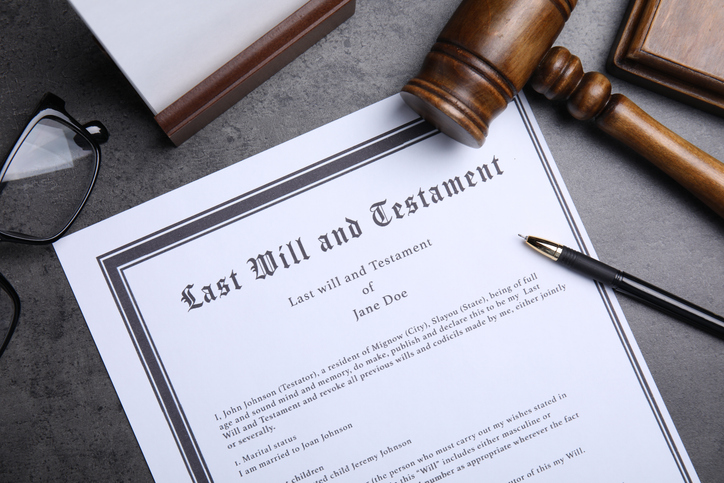
The lawyer’s first task was determining whether the handwritten will could be admitted to probate under New York law.
Although holographic wills are generally limited to members of the armed forces or mariners at sea, New York Surrogate’s Courts may still evaluate handwritten documents as expressions of testamentary intent if they meet the statutory requirements for execution.
The spouse also possessed a notarized “statement of intent” that the decedent had prepared when his illness progressed, which became a crucial piece of the evidentiary record.
2. Will and Testament Lawyer New York: Establishing Validity of the Will
Demonstrating Testamentary Capacity and Free Will
To demonstrate testamentary capacity under New York standards, the attorney obtained:
The record also showed no coercion or undue influence.
The decedent’s voluntary separation from his children, combined with the spouse’s continuous caregiving, supported his clear intent to transfer his real property solely to her.
3. Will and Testament Lawyer New York: Strategic Litigation Response to the Children’S Claims
Securing the Spouse’S Rights over the Real Property
After demonstrating compliance with legal formalities, authenticity, and capacity, the lawyer petitioned for probate and successfully argued that the spouse should receive:
The Surrogate’s Court admitted the will to probate, and the widow retained her full property rights without agreeing to any concessions or settlements.
11 Dec, 2025
