contact us
Copyright SJKP LLP Law Firm all rights reserved

Corporate social responsibility (CSR) consulting has become essential for businesses operating in Manhattan and across New York. A corporate attorney in Manhattan with expertise in CSR can guide your organization through complex compliance requirements, stakeholder engagement strategies, and sustainable business practices. This guide explores how legal counsel supports CSR initiatives and protects your company's reputation and bottom line.
Read more

Employment law in New York City encompasses a wide range of worker protections and compensation mechanisms. When employees experience workplace violations, they may be entitled to consumer compensation through various state and federal statutes. An employment law attorney in NYC can help workers understand their rights and pursue claims for damages, back pay, and other remedies available under New York and federal employment law.
Read more

Appellate litigation represents a critical phase in the legal process where cases are reviewed by higher courts for errors of law or procedure. Top law firms in Brooklyn that specialize in appellate trial work possess the technical knowledge and courtroom experience necessary to navigate complex appellate procedures and present compelling arguments before appellate judges. This guide explains the appellate process, key strategies, and how experienced appellate counsel can protect your rights.
Read more
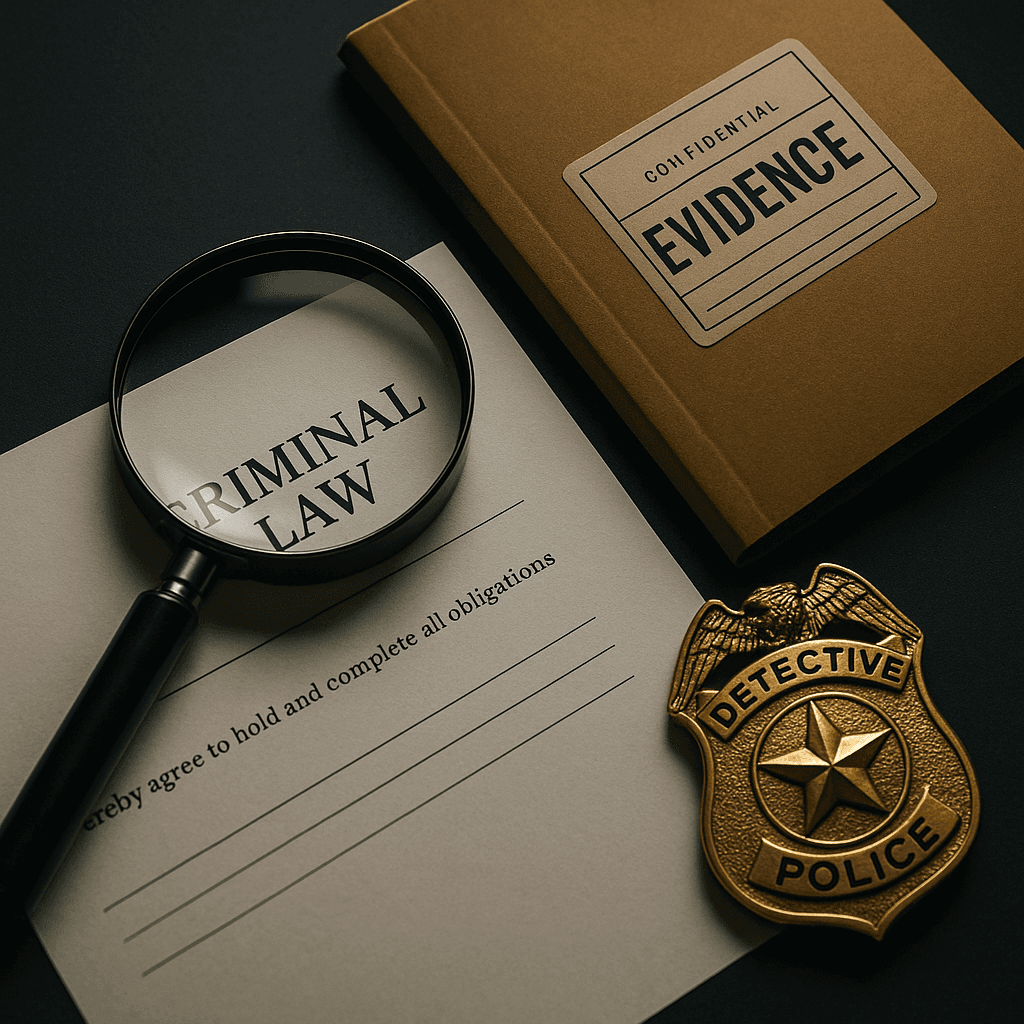
A family restraining order is a critical legal tool designed to protect individuals from harassment, abuse, or threats by family members or household members. In Queens, family restraining orders are governed by New York State law and enforced through the Queens courts. Understanding your options and the legal process can help you secure the protection you need and deserve.
Read more

A national interest waiver (NIW) is a powerful immigration benefit that allows qualified professionals to bypass the standard employment-based green card process. An NIW immigration lawyer helps clients demonstrate that their work benefits the United States in ways that outweigh the normal requirement to obtain a labor certification. This guide explains the NIW process, eligibility criteria, and how experienced legal representation can strengthen your application.
Read more

Brand logo registration is a critical step in protecting your company's visual identity and intellectual property rights. In New York and across the United States, securing trademark protection for your brand logo ensures exclusive rights to use your distinctive mark in commerce and prevents competitors from using confusingly similar designs. This comprehensive guide explains the brand logo registration process, requirements, and strategic considerations for businesses seeking to establish and maintain strong brand protection.Registration TypeKey CharacteristicsTimelineFederal Trademark RegistrationNationwide protection through USPTO; strongest legal protection; valid for ten years with renewal optionsSix to eighteen monthsState RegistrationProtection limited to New York; faster process; supplementary to federal registrationTwo to four monthsCommon Law RightsAutomatic rights upon use; limited geographic scope; weaker legal position in disputesImmediate upon useBrand logo registration provides legal protection that extends beyond simple use of your mark. Federal trademark registration for your brand logo creates a public record, establishes nationwide priority, and provides grounds for federal court litigation against infringers. While common law rights arise automatically when you use your logo in commerce, federal brand logo registration significantly strengthens your legal position and deters potential infringement. The registration process involves comprehensive trademark searches, application filing with the United States Patent and Trademark Office (USPTO), examination by a trademark attorney, and potential opposition proceedings. Understanding these steps and working with qualified legal counsel ensures your brand logo receives maximum protection under New York law and federal trademark statutes.
Read more