contact us
Copyright SJKP LLP Law Firm all rights reserved

Corporate immigration services help businesses navigate complex employment-based visa programs, international workforce transfers, and regulatory compliance requirements. Whether your company needs to sponsor skilled workers, manage global mobility initiatives, or ensure compliance with immigration laws, corporate immigration services provide strategic guidance and legal expertise. This guide explains how corporate immigration services support business growth while maintaining compliance with federal and state regulations.
Read more

Filing a trademark without professional assistance can save money, but it requires careful attention to detail and understanding of federal requirements. Do-it-yourself trademark filing involves navigating the United States Patent and Trademark Office (USPTO) application process, conducting thorough searches, and ensuring proper documentation. This guide explains the key steps, potential pitfalls, and when professional help may become necessary for New York residents and entrepreneurs seeking trademark protection.
Read more
A global plaintiffs' rights firm specializes in representing individuals and groups who have suffered harm through corporate negligence, data breaches, consumer fraud, or other wrongful conduct. These firms pursue class actions, mass torts, and individual claims across multiple jurisdictions, including New York and international markets. Understanding what a global plaintiffs' rights firm offers helps clients recognize when they need comprehensive legal representation for complex, multi-party disputes.
Read more

Bank account garnishment is a legal process in which a creditor obtains a court order to seize funds directly from a debtor's bank account to satisfy outstanding debts. In New York, understanding how bank account garnishment works is essential for protecting your financial interests and knowing your legal options when facing this situation. This process can significantly impact your ability to access funds for essential expenses, making it crucial to understand the rules and protections available under New York law.
Read more

The New York Medical Device Regulation Act establishes the framework for controlling the manufacture, importation, distribution, and marketing of medical devices within the state. This legislation serves to protect public health by ensuring that devices meet strict safety, efficacy, and quality standards before they reach the market. The Act works alongside federal regulations, especially the U.S. Food and Drug Administration (FDA) requirements, but also requires state-specific compliance measures, such as facility registration, business licensing, and advertising restrictions.The scope of this law is broad, covering all entities involved in the device supply chain. Any violation, whether intentional or due to negligence, can result in significant penalties, including fines, injunctions, or criminal prosecution. Companies operating in New York must therefore integrate compliance into every stage of product development and distribution.
Read more

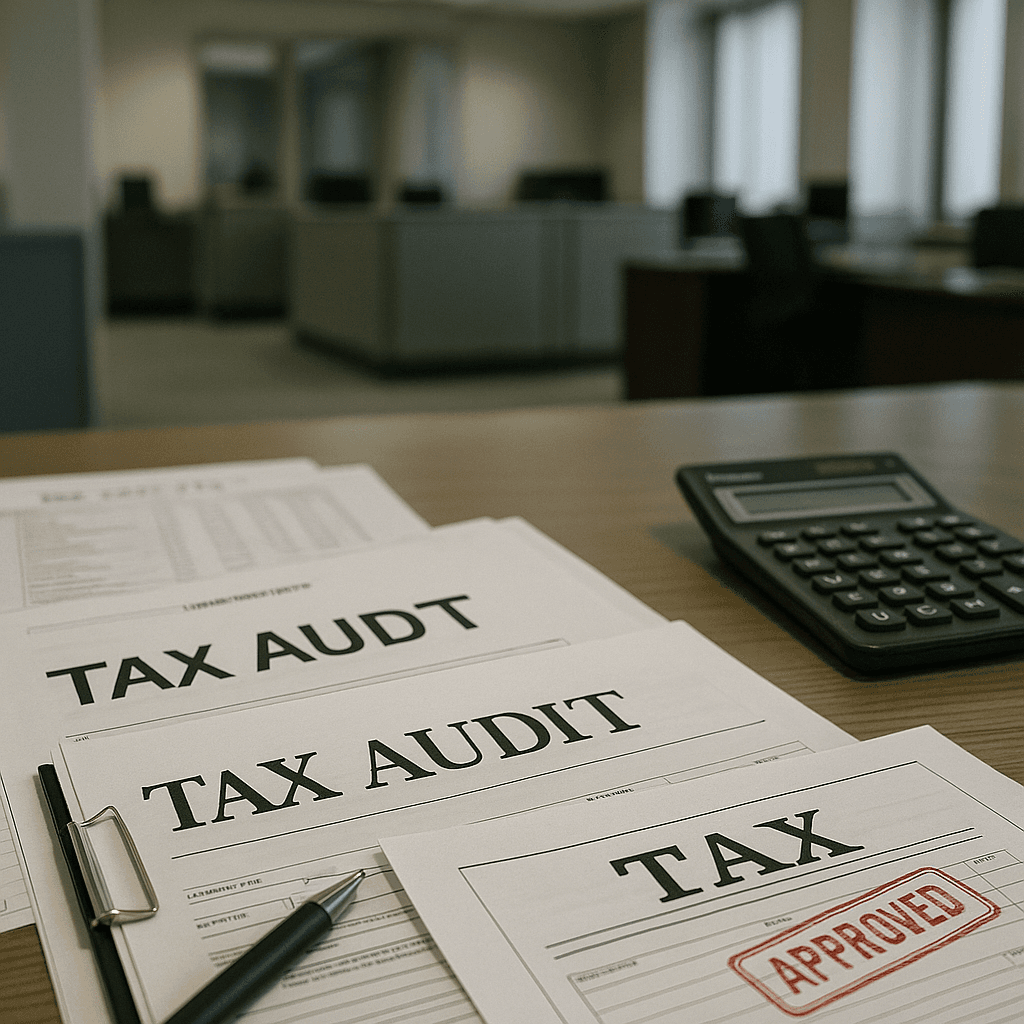
Tax audits by the Internal Revenue Service (IRS) in Washington D.C. Are formal investigations into a taxpayer’s filings and financial activities. These audits aim to verify the accuracy of reported tax liabilities and ensure comprehensive compliance with both federal and local tax regulations within the District of Columbia.
Read more