contact us
Copyright SJKP LLP Law Firm all rights reserved

Shareholder meetings are vital for corporate governance, allowing shareholders to exercise rights and make decisions. In Washington D.C., procedural missteps in convening meetings can lead to significant liability for executives. This guide explores common violations under the D.C. Business Corporation Act and offers guidance for risk mitigation through proper oversight. Corporate governance in the District requires meticulous attention to detail to ensure that the voice of the shareholder is heard and legally recognized.
Read more

Shareholder meetings are a key governance mechanism in New York corporations governed by the Business Corporation Law. However, procedural oversights regarding meeting notices and director appointments can expose executives to significant legal risk. This article examines the most frequent procedural violations involving Shareholder Meeting Procedures and offers practical mitigation strategies to ensure corporate actions remain valid.
Read more
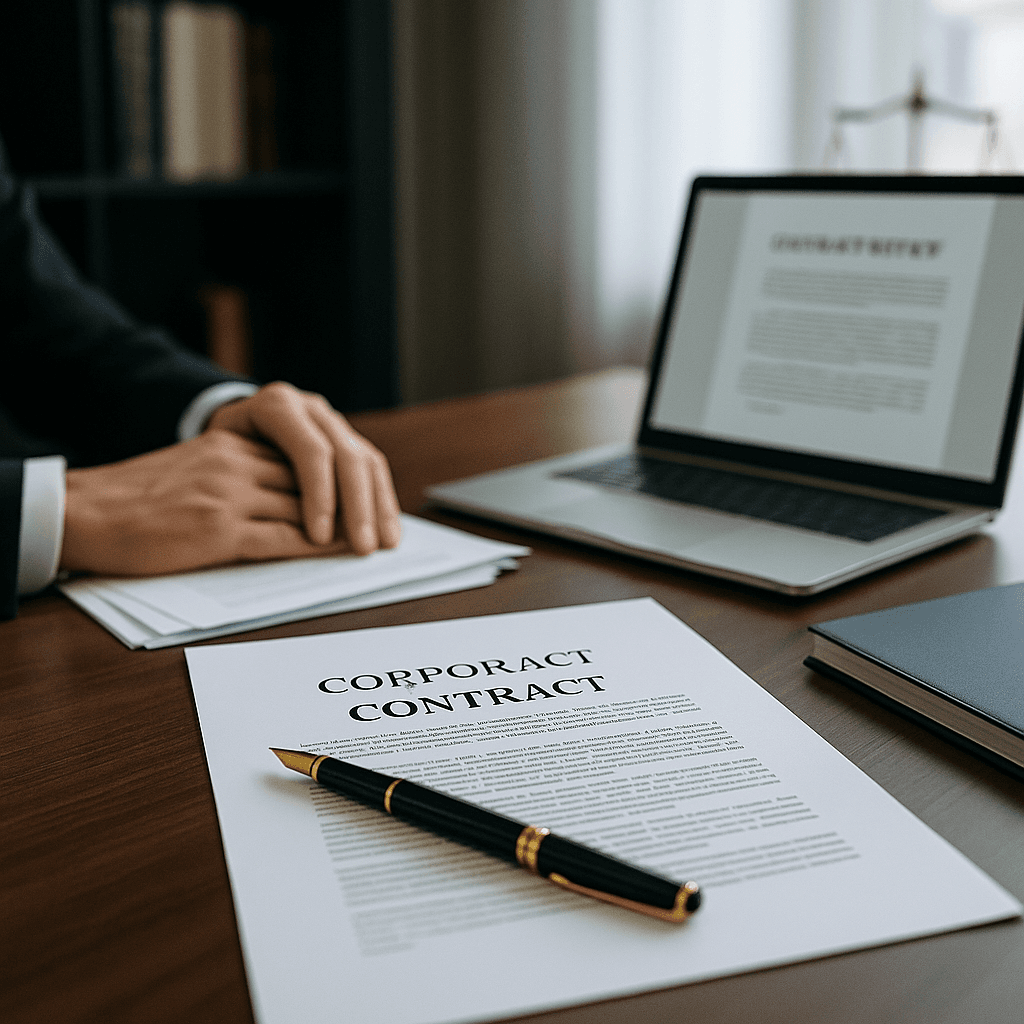
For businesses in Washington D.C. Navigating corporate tax and financial regulations is key to avoiding penalties. SJKP LLP provides comprehensive legal guidance to help you manage corporate tax deadlines reporting obligations and financial strategies. This guide offers a streamlined overview of D.C. Corporate tax and compliance designed to help you maintain legal standing and financial health in the nation's capital. Consulting a qualified corporate law attorney ensures your business adheres to these complex regulations effectively avoiding costly errors.
Read more

A corporate law attorney is the primary architect of a company’s legal health, providing the necessary guidance to navigate complex formations, governance structures, and the high-stakes regulatory environment of 2026. In an era where digital transformation and global supply chains introduce unprecedented liabilities, having dedicated business law counsel is no longer a luxury for large conglomerates; it is a foundational requirement for any growth-oriented enterprise. Professional legal oversight ensures that from the moment of inception, a business is insulated against the most common pitfalls of commercial litigation and administrative oversight. By aligning legal strategy with operational goals, an attorney transforms law from a static set of rules into a dynamic instrument for competitive advantage and long-term institutional resilience.
Read more
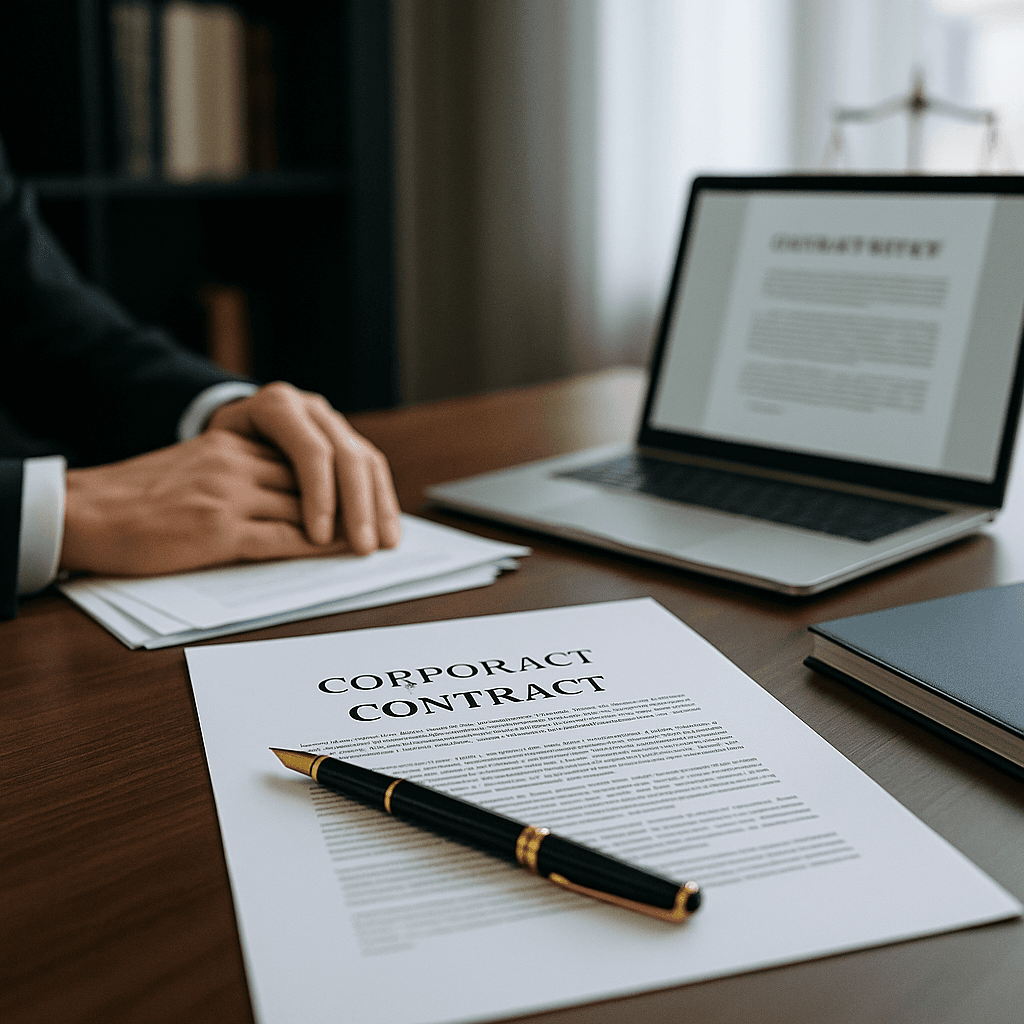
Searching for a family lawyer near me is the first step in navigating the complex legal landscape of New York domestic relations, requiring an advocate who understands both the law and the local bench. In the New York judicial system, family matters are often split between the Supreme Court for matrimonial issues and the Family Court for custody and support, each operating under specific local rules. Choosing the right local counsel can directly influence custody outcomes, asset division, and the pace of your case by ensuring your strategy aligns with the specific expectations of the presiding judge. Professional legal oversight is critical when high-stakes decisions regarding asset distribution and parental rights are on the line, providing the stability and precision needed to protect your household's future.
Read more

A civil law attorney near me offers more than geographic convenience when a dispute demands experienced legal intervention. Choosing the right local civil lawyer involves evaluating courtroom familiarity, case-specific expertise, and the ability to respond quickly when urgent situations arise. Whether you face a contract disagreement, a property conflict, or a claim for damages, understanding how to identify and work with qualified counsel in your area can shape the trajectory of your case from the very first consultation.
Read more