contact us
Copyright SJKP LLP Law Firm all rights reserved

A guardian is a legally appointed individual who assumes responsibility for the care, custody, and decision-making authority of another person, typically a minor or an incapacitated adult. In New York, guardianship proceedings establish formal legal relationships that protect vulnerable individuals and ensure their welfare, education, and financial interests are properly managed. Understanding the guardian role, appointment process, and associated obligations is essential for families navigating these important legal matters.Guardian TypePrimary ResponsibilityApplicable New York LawGuardian of PersonPhysical custody, care, and personal decisionsNew York Surrogate's Court Procedure ActGuardian of PropertyFinancial management and asset protectionNew York Surrogate's Court Procedure ActGuardian Ad LitemRepresentation in legal proceedingsNew York Civil Practice Law and RulesAdult GuardianCare for incapacitated adultsNew York Mental Hygiene LawThe primary conclusion is that becoming a guardian in New York requires formal court approval through the Surrogate's Court, and guardians must fulfill fiduciary duties that prioritize the protected person's best interests. Understanding the distinction between guardianship of the person and guardianship of property, along with the legal standards for appointment, enables families to make informed decisions about protecting their loved ones. New York law provides multiple pathways for guardianship, each designed to address specific circumstances and ensure comprehensive protection for minors and incapacitated individuals.
Read more

A juvenile defense attorney represents minors who face criminal charges in the New York court system. Young defendants require specialized legal representation that understands both criminal law and the unique protections afforded to juveniles under New York law. A skilled juvenile defense attorney protects a minor's constitutional rights, advocates for rehabilitation over punishment, and works to minimize the long-term consequences of juvenile charges. Understanding the role of a juvenile defense attorney is essential for families navigating the juvenile justice system.
Read more
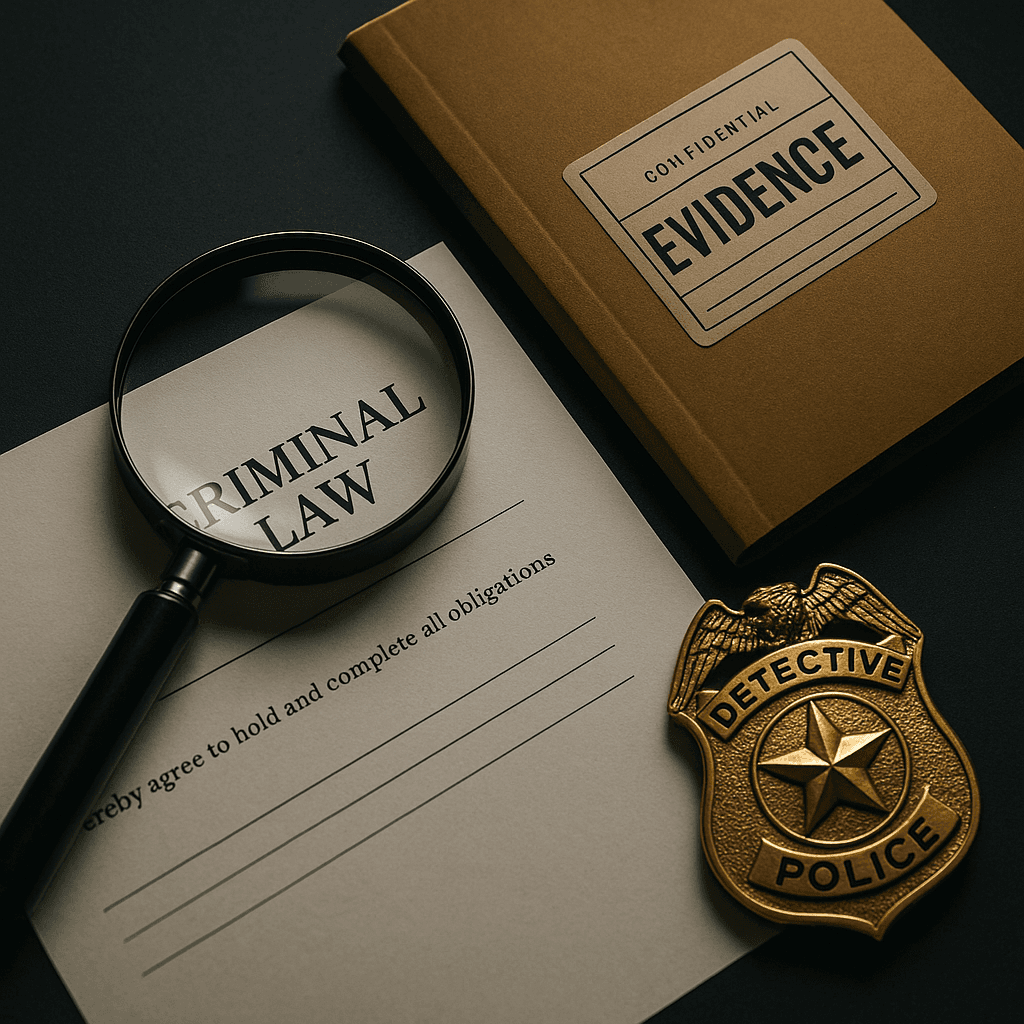
Governance reform litigation represents a critical mechanism through which shareholders, employees, and stakeholders challenge corporate decision-making structures and demand accountability from company leadership. This form of litigation seeks not only monetary compensation but also transformative changes to how corporations operate, make decisions, and protect the interests of all affected parties. Governance reform litigation often involves complex claims related to breach of fiduciary duty, negligence, unjust enrichment, and violations of consumer protection laws. Understanding the scope, procedures, and potential outcomes of governance reform litigation is essential for stakeholders contemplating legal action against corporations that have failed in their fundamental obligations.
Read more

Operating agreements form the foundation of successful business structures, particularly for limited liability companies and partnerships in New York. These legally binding documents establish the rights, responsibilities, and financial arrangements among business owners, protecting both individual interests and the overall enterprise. Understanding operating agreements is critical for entrepreneurs seeking to formalize their business relationships and ensure compliance with state regulations.
Read more

A tax office audit is a formal examination by the Internal Revenue Service to verify that taxpayers have accurately reported their income, deductions, and tax liability. Audits can range from simple correspondence inquiries to comprehensive field investigations. Understanding the tax office audit process, your rights, and how to respond appropriately is essential for protecting your financial interests and ensuring compliance with federal tax laws.
Read more

A medical patent represents a critical form of intellectual property protection for innovations in healthcare, pharmaceuticals, and medical devices. These patents safeguard inventions related to treatments, diagnostic methods, surgical techniques, and medical equipment from unauthorized use. Understanding the medical patent landscape in New York requires knowledge of federal patent law, state regulations, and the specific requirements for obtaining and maintaining protection for healthcare innovations.
Read more