contact us
Copyright SJKP LLP Law Firm all rights reserved

Copyright litigation in Washington D.C. Provides a necessary legal framework for enforcing original works of authorship in a digital economy. Navigating these federal proceedings requires understanding the interplay between the U.S. Copyright Office and the judiciary to ensure creative assets are protected from unauthorized commercial exploitation.
Read more

Executives and businesses in Washington D.C. Face increasing scrutiny from federal regulators and local authorities. Understanding complex legal procedures and managing potential reputational risks is vital for long term survival in the professional sphere. This article provides an in depth analysis of key issues under District law regarding non violent financial offenses and the strategic legal responses required to mitigate liability and protect organizational integrity.
Read more
Trade secret protection law in New York prohibits the unauthorized use, acquisition, or disclosure of trade secrets under New York common law, the New York Uniform Trade Secrets Act (NYUTSA), and applicable federal statutes. Trade secrets are foundational to a business’s competitive edge and economic value, and violations can result in both criminal exposure under federal law and substantial civil liability. This article offers a detailed look at the legal framework governing trade secret protection in New York, enforcement trends, common violations, and practical legal strategies for securing sensitive business assets.
Read more
Breach of Fiduciary Duty in Washington D.C. Refers to the unlawful conduct of a person entrusted with managing the affairs or property of another, where the fiduciary violates their duty and causes financial harm. This violation often arises in corporate, professional, and agency relationships, constituting a serious breach of trust. Common examples include company executives, employees, or agents who misuse their authority for personal or third-party gain. This grave offense, a "Breach of Fiduciary Duty," undermines the essential trust required for business and professional dealings across the District of Columbia, leading to significant legal consequences and demonstrating a clear breach of trust.
Read more
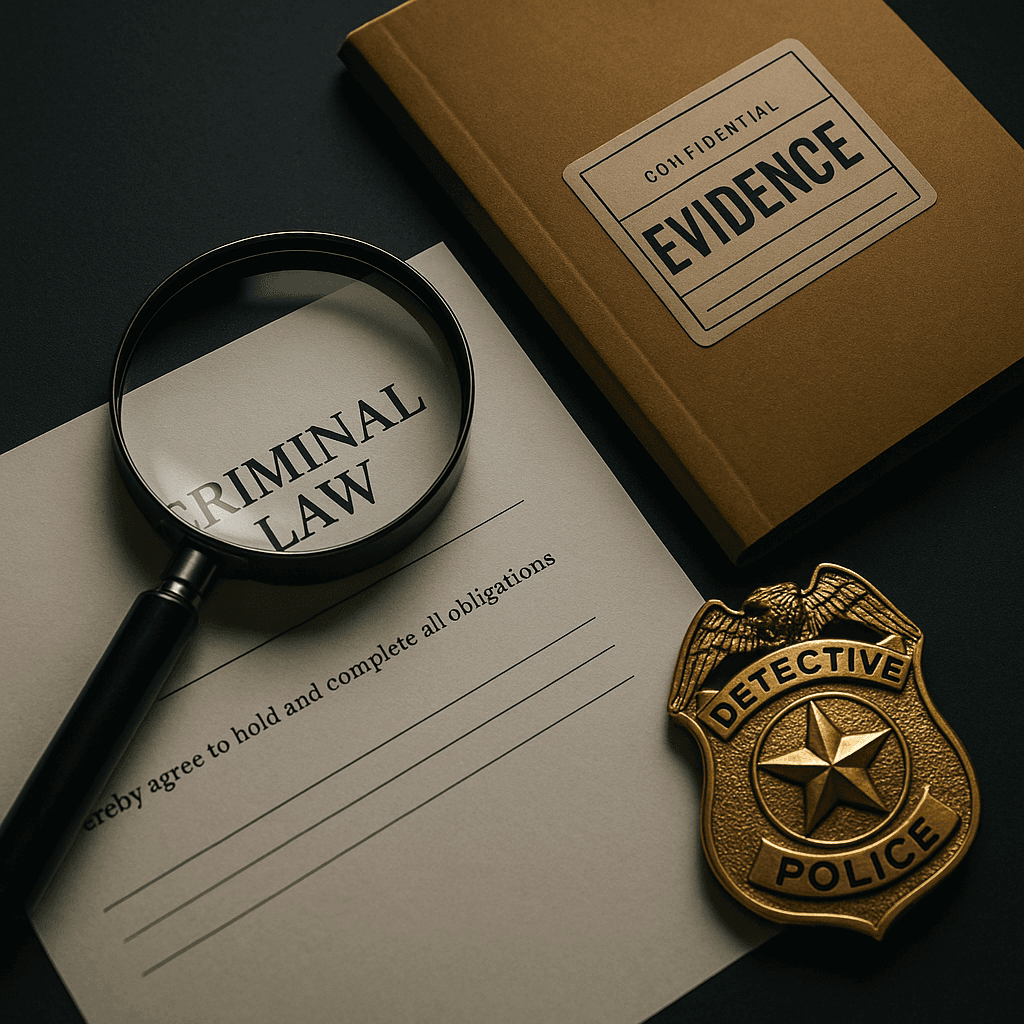
Impersonating a police officer is a serious offense in Washington D.C., as it undermines public trust in law enforcement and can lead to harmful consequences. This article explains what constitutes a Police Impersonation Offense, the legal requirements for conviction, potential penalties, how to report the crime, and ways to avoid being deceived. Such acts of Police Impersonation are aggressively prosecuted to protect the integrity of the Metropolitan Police Department and the safety of the public. The increasing sophistication of these impersonation schemes necessitates public awareness and strict legal measures to deter perpetrators and safeguard the community.
Read more
In New York, the law strictly defines child endangerment as placing a minor in a harmful or potentially harmful situation through caregiver neglect or intentional misconduct. This broad legal definition encompasses the failure to provide a child with necessary care, such as adequate food, safe shelter, proper education, or essential medical attention, underscoring the state's deep protective mandate for minors. The New York statute deliberately elevates child neglect from simply "poor parenting" to a serious criminal act when the behavior reaches a clear threshold of profound and sustained disregard for a child’s well-being and future development.
Read more