contact us
Copyright SJKP LLP Law Firm all rights reserved

Trademark filing is a critical process for protecting your brand identity and intellectual property rights. Whether you are launching a new business or expanding an existing brand, understanding the trademark filing process is essential to secure exclusive rights to your company name, logo, or slogan. This guide provides a comprehensive overview of trademark filing requirements, procedures, and best practices under federal law and New York regulations.StageKey ActionsTimelinePre-Filing PreparationConduct trademark search, gather documentation, determine filing basis1-2 weeksApplication SubmissionComplete USPTO application form, pay filing fee, submit materials1 dayExamination ReviewUSPTO examiner reviews application for compliance and conflicts3-6 monthsRegistration GrantTrademark officially registered, protection secured nationwide6-12 months totalSecuring a trademark through proper filing protects your business investment and prevents competitors from using confusingly similar marks. The trademark filing process requires careful attention to detail, strategic planning, and compliance with United States Patent and Trademark Office requirements. By understanding each phase of trademark filing and working with qualified legal counsel, you can ensure your brand receives the strongest possible protection under federal law. This comprehensive guide explains the essential steps, legal considerations, and strategic approaches to successful trademark filing in New York and across the United States.
Read more

A chapter 13 lawyer helps individuals navigate the federal bankruptcy process by organizing debts into manageable repayment plans. Chapter 13 bankruptcy allows debtors to keep their assets while reorganizing unsecured and secured debts over a three to five year period. If you are facing financial hardship in New York and want to understand your options for debt relief, consulting with a chapter 13 lawyer is an essential first step toward financial stability.
Read more

An agency agreement is a fundamental contractual arrangement that establishes the relationship between a principal and an agent, outlining rights, duties, and compensation. In New York, agency agreements are governed by common law principles and state statutes that protect both parties and ensure clarity in their business relationship. Understanding the essential elements, legal requirements, and strategic considerations of an agency agreement is critical for businesses seeking to engage third parties for representation or services.
Read more

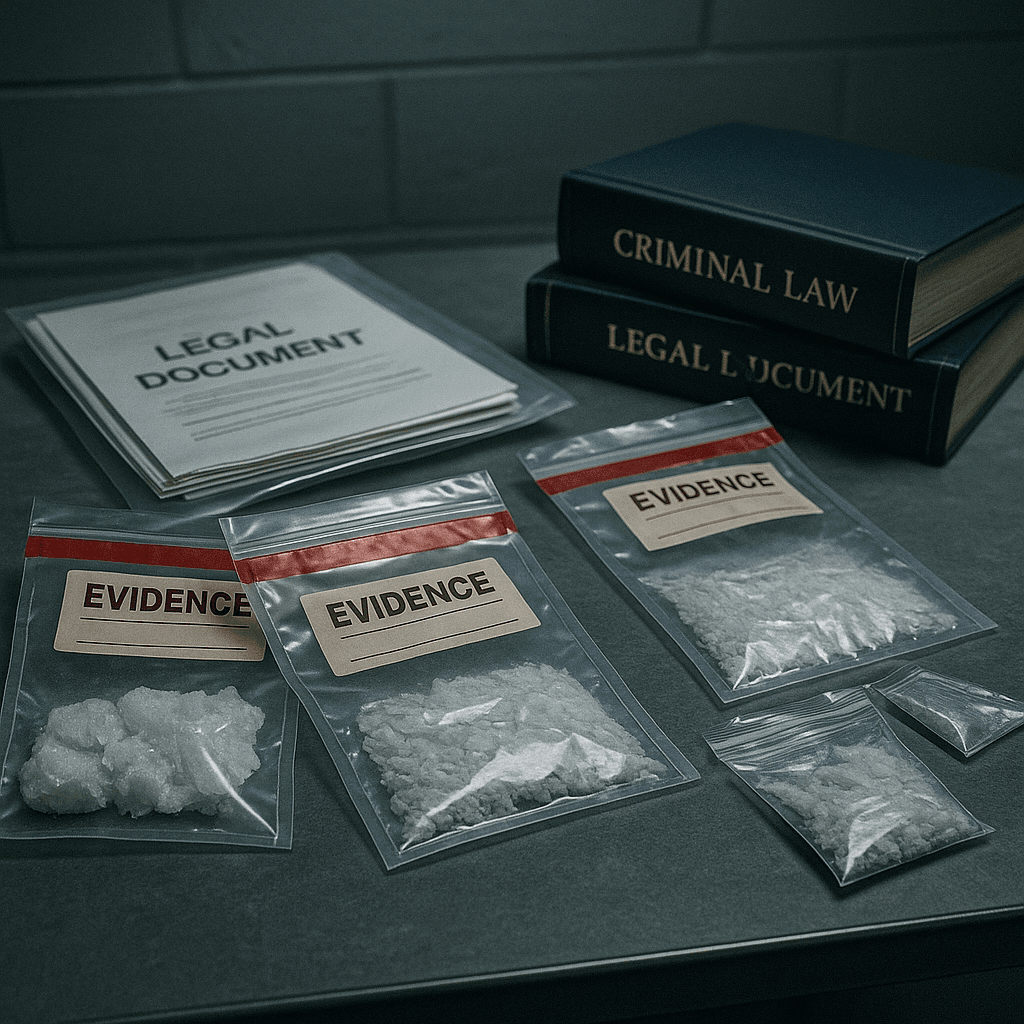
A narcotics test is a chemical or biological examination used to detect the presence of controlled substances in a person's body, typically through blood, urine, saliva, or hair samples. In New York, narcotics testing occurs in various legal contexts, including criminal investigations, workplace compliance, probation monitoring, and family law proceedings. Understanding your rights during a narcotics test and the legal procedures surrounding these tests is essential for protecting your interests and ensuring compliance with applicable laws.
Read more
A speeding ticket can result in fines, points on your driving record, and increased insurance premiums. In New York, understanding your rights and defense options is essential when facing traffic violations. A speeding ticket lawyer can help you navigate the legal process, challenge evidence, and potentially reduce or dismiss charges. Whether you were cited for exceeding the posted speed limit or challenging radar accuracy, professional legal representation protects your driving privileges and financial interests. Defense StrategyKey ConsiderationPotential OutcomeRadar or Laser Calibration ChallengeEquipment maintenance records and operator certificationDismissal or reduction of chargesSpeed Limit Sign VisibilityProper posting and visibility at violation locationCase dismissal possibleOfficer Observation AccuracyDistance, lighting, and visibility conditionsReduced fine or conditional dischargeProcedural ViolationsProper citation issuance and documentationCharge dismissal or plea negotiation The most important step when facing a speeding ticket is to consult with a speeding ticket lawyer before accepting any penalty or paying fines. New York traffic courts allow defendants to challenge citations through multiple legal avenues, including questioning the accuracy of speed detection equipment, the visibility of speed limit signs, and the officer's observation methods. An experienced speeding ticket lawyer can evaluate the specific circumstances of your citation, identify weaknesses in the prosecution's evidence, and develop a defense strategy tailored to your case. Taking immediate action protects your driving record and may prevent significant increases in your insurance rates.
Read more

A guardian is a legally appointed individual who assumes responsibility for the care, custody, and decision-making authority of another person, typically a minor or an incapacitated adult. In New York, guardianship proceedings establish formal legal relationships that protect vulnerable individuals and ensure their welfare, education, and financial interests are properly managed. Understanding the guardian role, appointment process, and associated obligations is essential for families navigating these important legal matters.Guardian TypePrimary ResponsibilityApplicable New York LawGuardian of PersonPhysical custody, care, and personal decisionsNew York Surrogate's Court Procedure ActGuardian of PropertyFinancial management and asset protectionNew York Surrogate's Court Procedure ActGuardian Ad LitemRepresentation in legal proceedingsNew York Civil Practice Law and RulesAdult GuardianCare for incapacitated adultsNew York Mental Hygiene LawThe primary conclusion is that becoming a guardian in New York requires formal court approval through the Surrogate's Court, and guardians must fulfill fiduciary duties that prioritize the protected person's best interests. Understanding the distinction between guardianship of the person and guardianship of property, along with the legal standards for appointment, enables families to make informed decisions about protecting their loved ones. New York law provides multiple pathways for guardianship, each designed to address specific circumstances and ensure comprehensive protection for minors and incapacitated individuals.
Read more