contact us
Copyright SJKP LLP Law Firm all rights reserved

White Collar Defense & Investigations represents a critical legal arena where corporate entities face intense regulatory scrutiny. New York's financial environment, marked by aggressive enforcement from the Attorney General, necessitates a sophisticated defense strategy. This guide outlines the essential framework for navigating investigations and implementing compliance to protect professional integrity.
Read more

In New York, a Supreme Court appeal represents a critical legal mechanism for challenging trial level decisions and ensuring the correct application of the law. The state hierarchy is unique, where the Supreme Court serves as the primary trial court, and the Appellate Division acts as the intermediate gatekeeper for justice. Navigating this framework requires strict adherence to procedural deadlines, meticulous record preservation, and a persuasive command of legal precedents. This guide details the essential steps for successfully pursuing a Supreme Court appeal to protect your rights and correct judicial errors.
Read more

Navigating the appellate landscape in the District of Columbia requires a profound understanding of local and federal judicial rules. This guide examines the essential procedures for filing and managing cases within the higher courts to ensure legal rights are preserved throughout the litigation lifecycle.
Read more

Unauthorized use or disclosure of trade secrets can have devastating consequences for businesses. In Washington D.C., such conduct is classified as “trade secret misappropriation” and may lead to civil liability or even criminal prosecution. The District adheres to the Uniform Trade Secrets Act (UTSA), adopted in D.C. Code § 36–401 et seq., and also criminalizes certain forms of trade secret theft under D.C. Criminal Code § 22–1832. Understanding the specific D.C. Laws concerning trade secret misappropriation is vital for any company operating in the area to protect its proprietary business information.
Read more
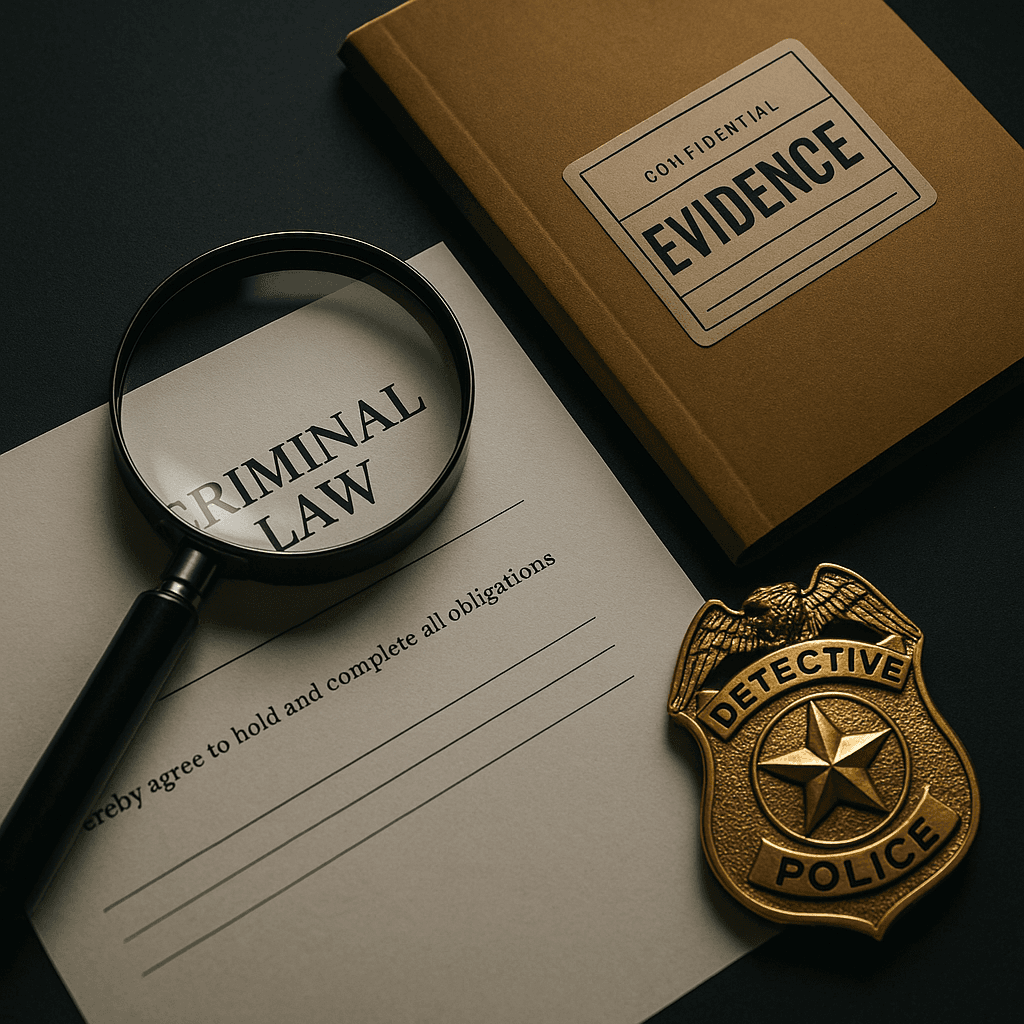
In New York, fiduciary misconduct is a serious criminal offense occurring when an individual, entrusted with managing another's affairs, breaches that duty for personal or third-party gain, causing harm to the principal. This offense is fundamentally rooted in abusing the delegated authority and trust, central to the elements of breach of trust. Unlike embezzlement, which involves converting property one legally possesses, fiduciary misconduct directly attacks the good faith expected in a professional relationship. This offense applies broadly to employees, agents, corporate executives, board members, and anyone acting under a legally recognized fiduciary duty.
Read more
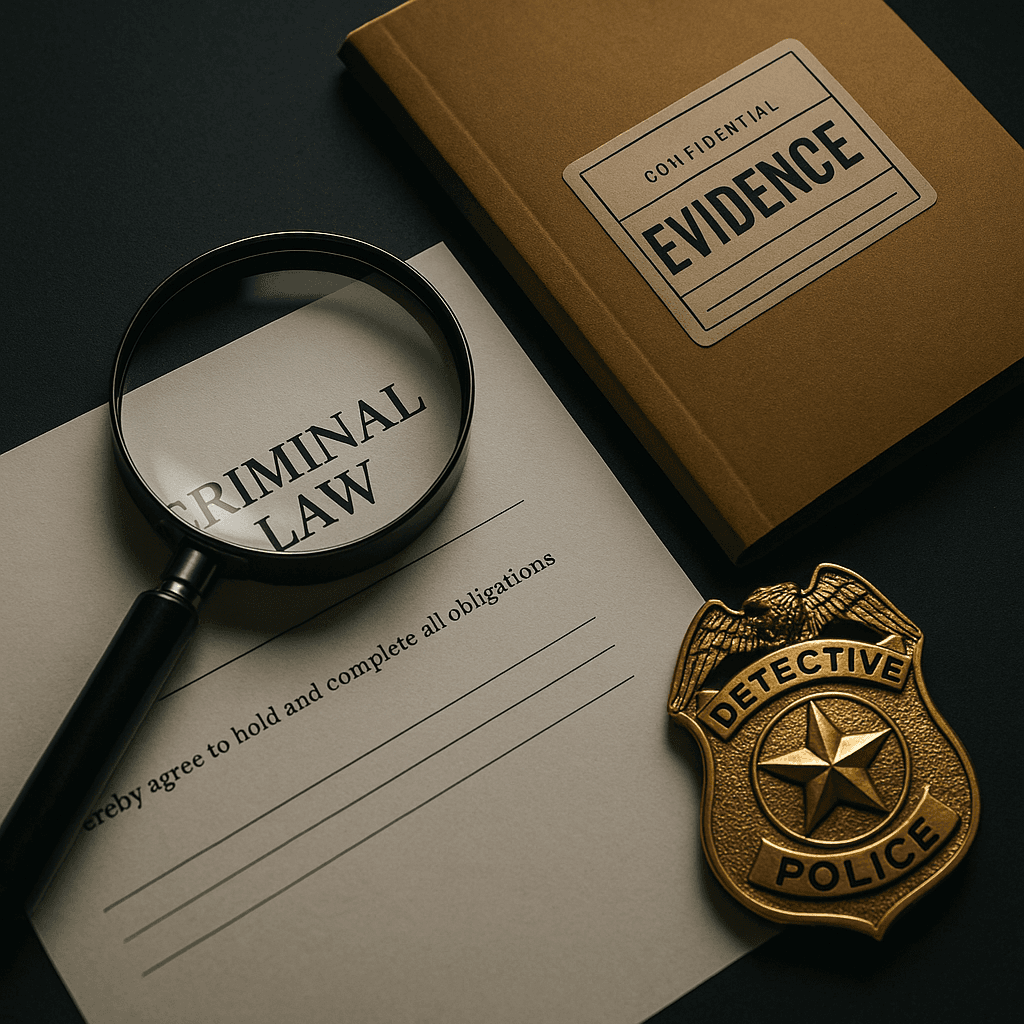
Impersonating a police officer is not a harmless prank in New York; it constitutes a serious criminal offense known as Police Impersonation Crime. This article explains the key elements of the offense, punishment ranges, and how victims or witnesses can effectively report this serious Police Impersonation.
Read more